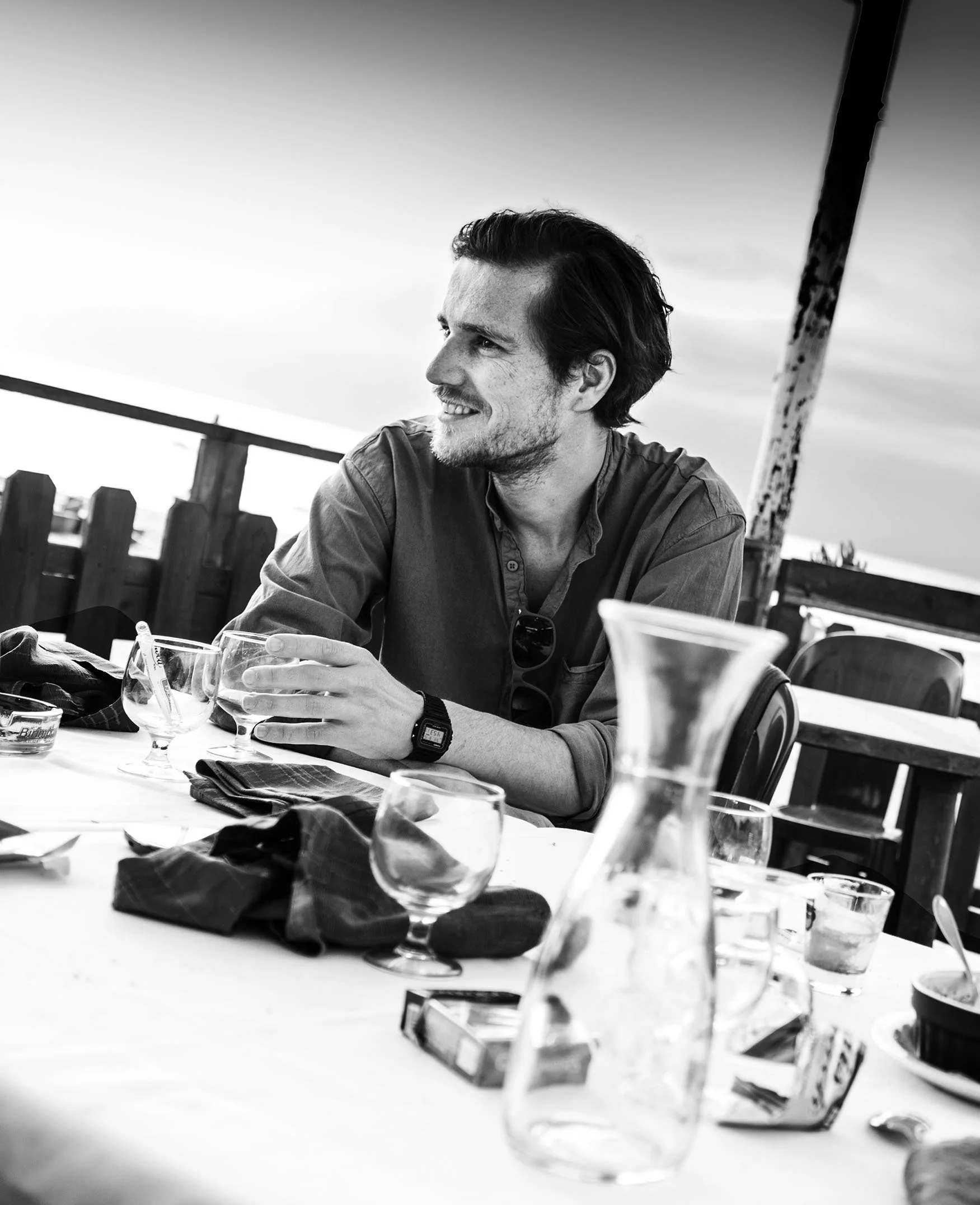
About
The Colour Four explores what happens when ideas normally expressed through equations, experiments, theories and words are translated into images.
The work moves between science, technology and human experience, drawing on subjects ranging from quantum mechanics, cosmology and artificial intelligence to perception, memory, identity and social behaviour. Each piece usually begins with a phrase, question or scientific idea. From there, it is reduced, rearranged and translated into a visual structure using geometry, photography, found imagery, drawing and text.
The final works take different material forms—including etching, photogravure, collage, fine-art printing and laser-engraving. The choice of process is often connected to the idea itself: precision and repetition, permanence and erosion, analogue and digital information, or the transformation of an image from one physical state into another.
From science to visual practice
My return to art began through science.
I studied fine art with a focus on printmaking prior to pursuing a career in science and spent most of my professional life working in academic research and pharmaceutical drug discovery. Science taught me to think in terms of systems: to look for relationships between things, reduce complicated problems into their essential parts, construct models and use those models to ask better questions.
It also made images an important part of how I think.
Scientific research constantly requires things that cannot easily be seen—molecular interactions, biological pathways, probabilities, mechanisms and large datasets—to be converted into visual forms that other people can understand. Over time, diagrams, figures, information design and visualization became more than tools for communicating the science. They became another way of thinking about it.
The Colour Four developed from that intersection.
Rather than illustrating scientific ideas literally, I became interested in what happens when they are removed from their original technical context and treated as material for an artwork. A matrix can become a landscape. Particle interactions can become lines connecting distant points. A model of artificial intelligence can become a speculative portrait of another kind of mind.
The same approach gradually expanded beyond science. Questions about consciousness lead naturally to questions about perception; perception to memory and identity; technology to power and responsibility; and biological systems to the ways people organize themselves socially.
This is why apparently different subjects coexist within the work.
Quantum physics, nuclear fusion and cosmology sit alongside artificial intelligence, architecture, trauma, compassion, exploitation and human behaviour. They are connected by an interest in systems—physical, technological, biological and social—and in the ways we construct models to understand realities that are often more complicated than the models themselves.
Geometry and abstraction recur throughout the work for similar reasons. They provide a visual language for relationships: proximity and separation, order and disorder, connection, scale, boundaries and change. Scientific diagrams, numerical systems and informational graphics sometimes enter the work, but are altered until their original explanatory function becomes less certain.
The objective is not to provide an illustration of a scientific theory or a definitive explanation of an idea. The artwork begins with the concept, but should ultimately be able to move beyond it.
The Colour Four is an evolving collection of these investigations—images made at the intersection of scientific thinking, visual systems and human experience.
Identity, Culture & Transformation
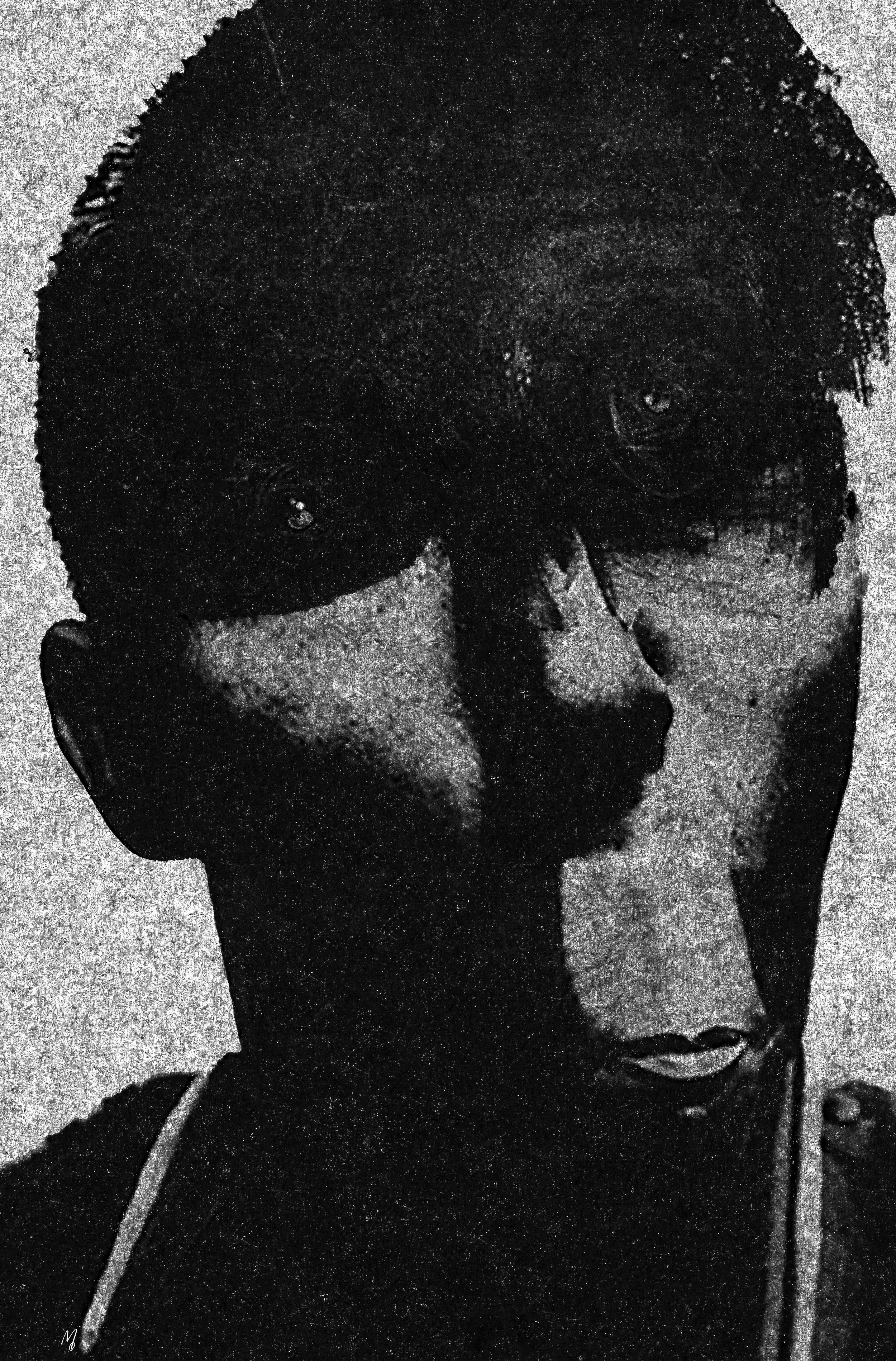
This collection considers identity as a process of transformation shaped by biology, culture, psychology, and technology. The works explore evolution, fame, sexuality, symbolic rebirth, and the tension between individual experience and collective narratives.
Geometry, Architecture & Form
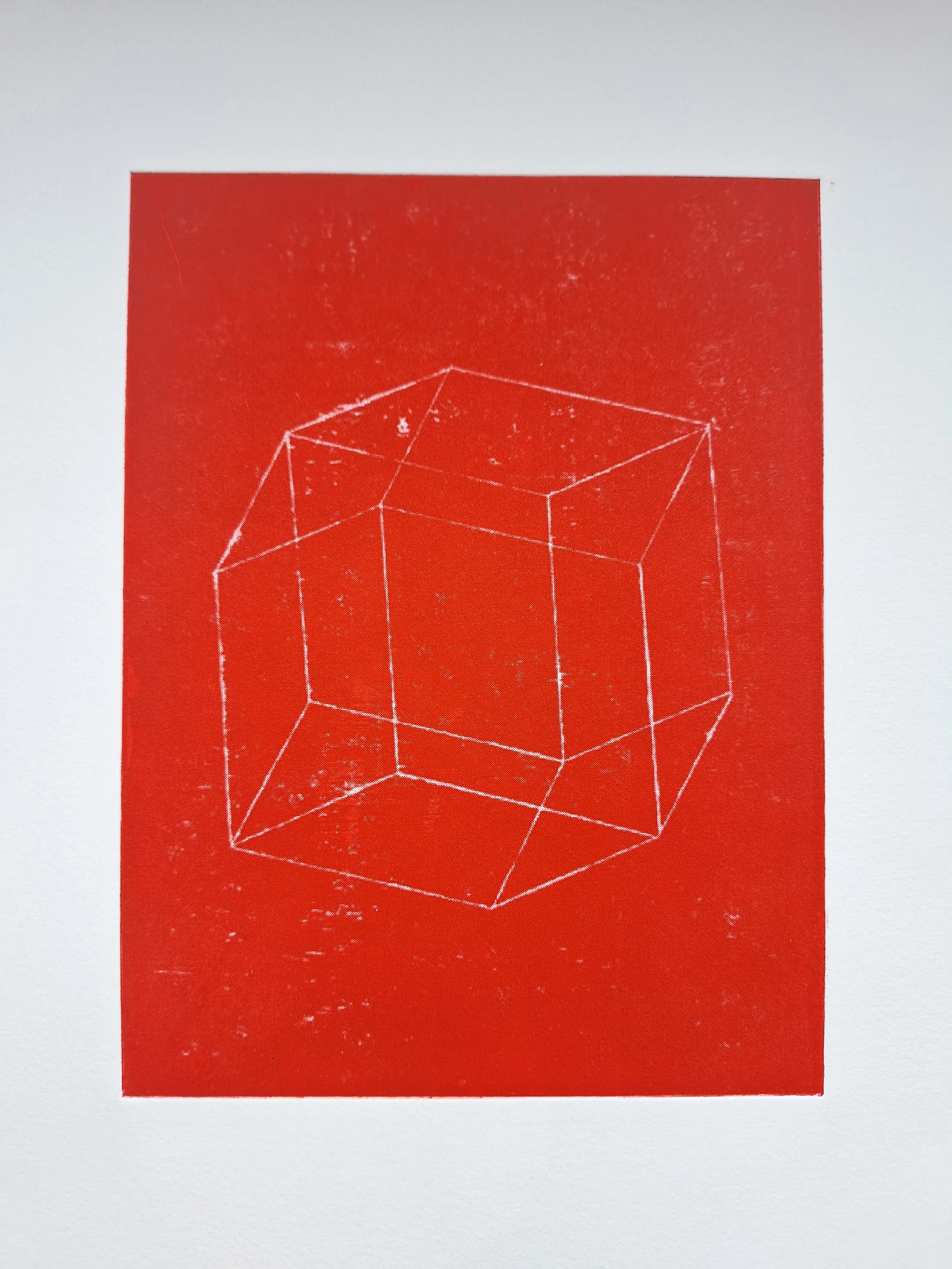
This collection explores geometry as a language of thought. Drawing from Renaissance mathematics, Bauhaus design, Constructivism, Minimalism, and Brutalist architecture, the works investigate how abstract forms can embody philosophical ideas.
Human Condition, Ethics & Power
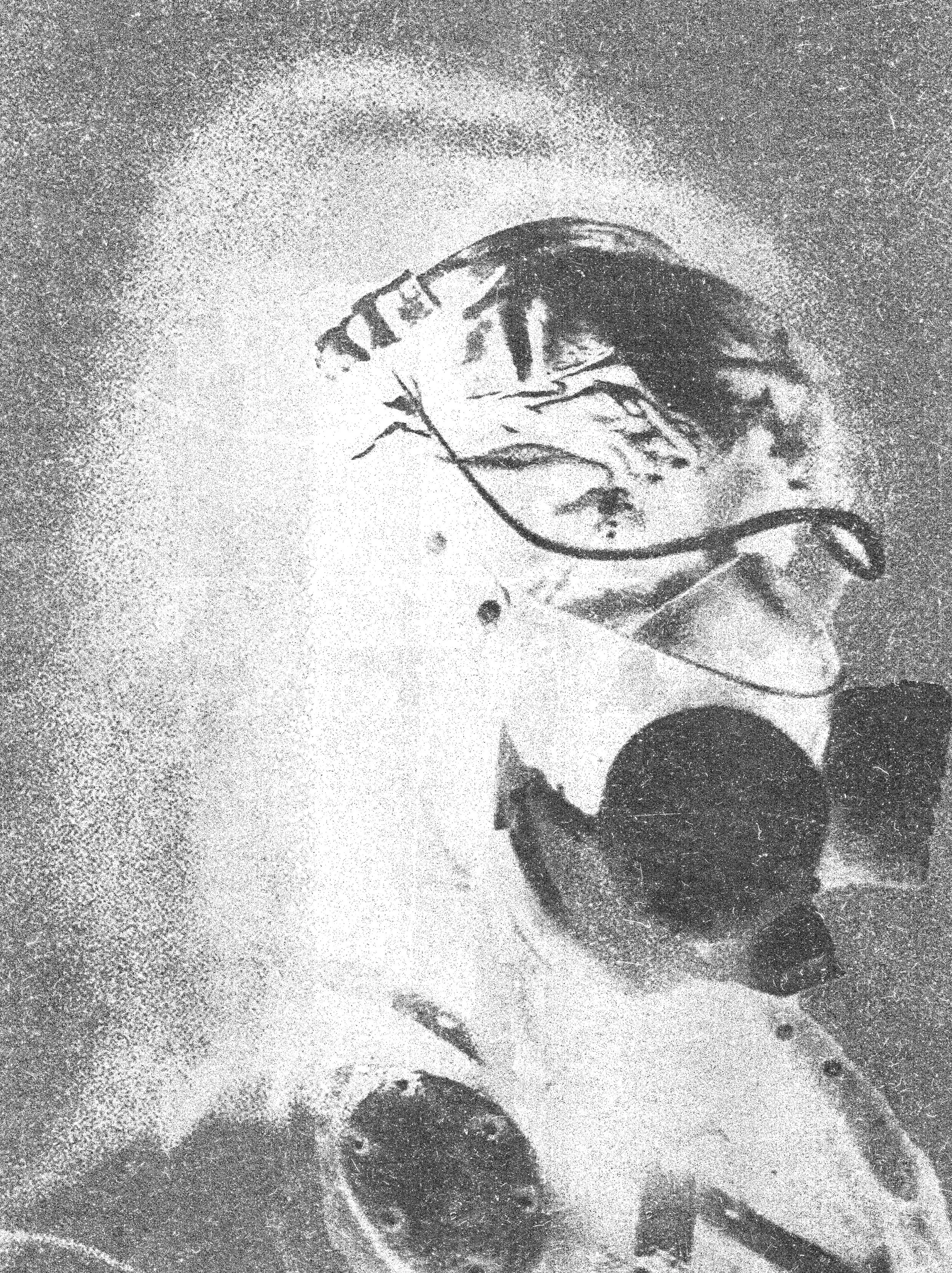
This collection examines vulnerability, suffering, resilience, and moral responsibility. The works engage with violence, exploitation, war, compassion, trauma, memory, and survival through symbolic and often fragmentary representations of the human figure.
Physics, Cosmology & Reality
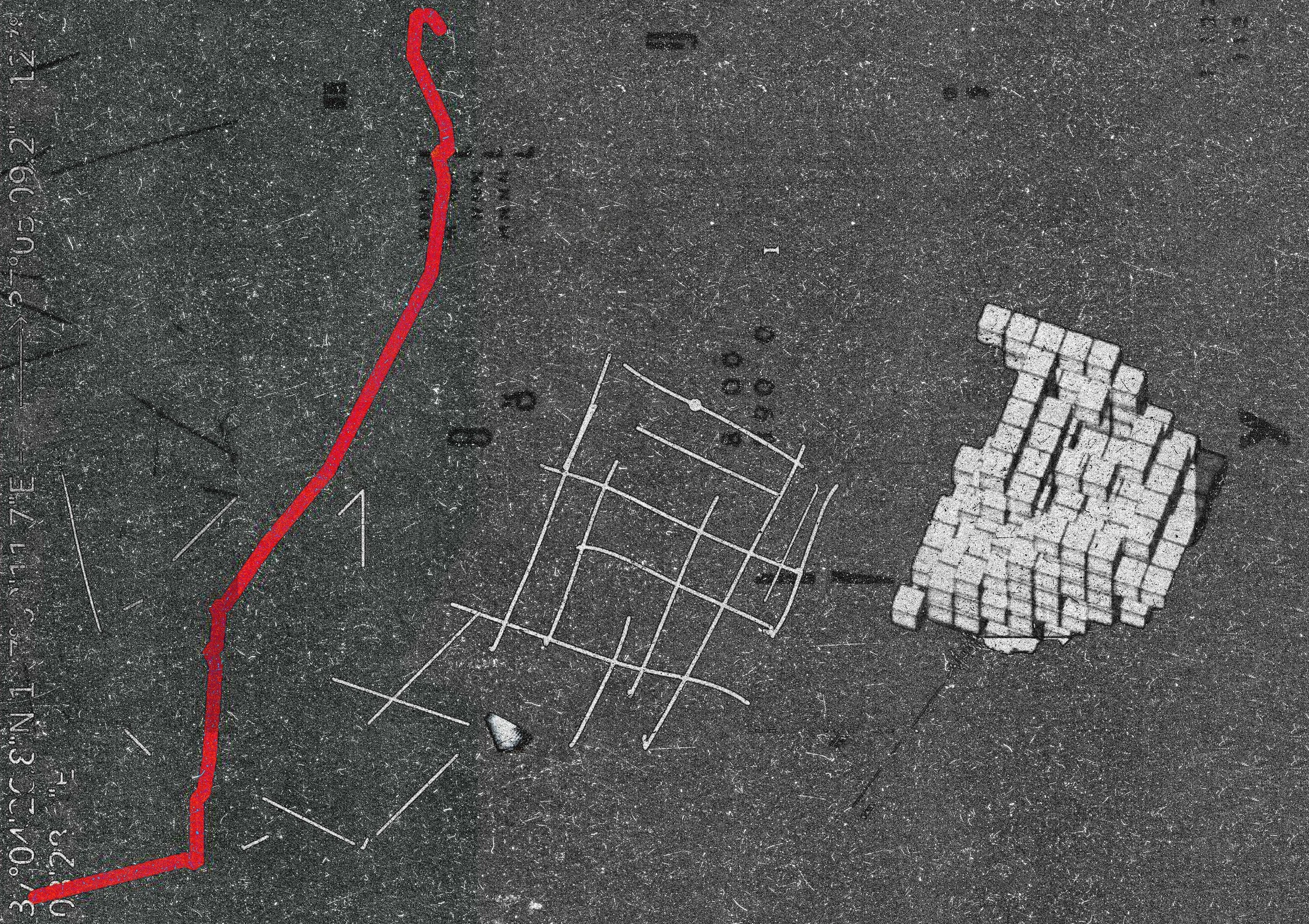
This collection investigates the fundamental structure of reality through concepts drawn from physics, cosmology, mathematics, and philosophy. The works engage with quantum uncertainty, nonlocality, nuclear fusion, relational theories of matter, and the large-scale architecture of the universe.
Artificial Intelligence & Cognitive Systems
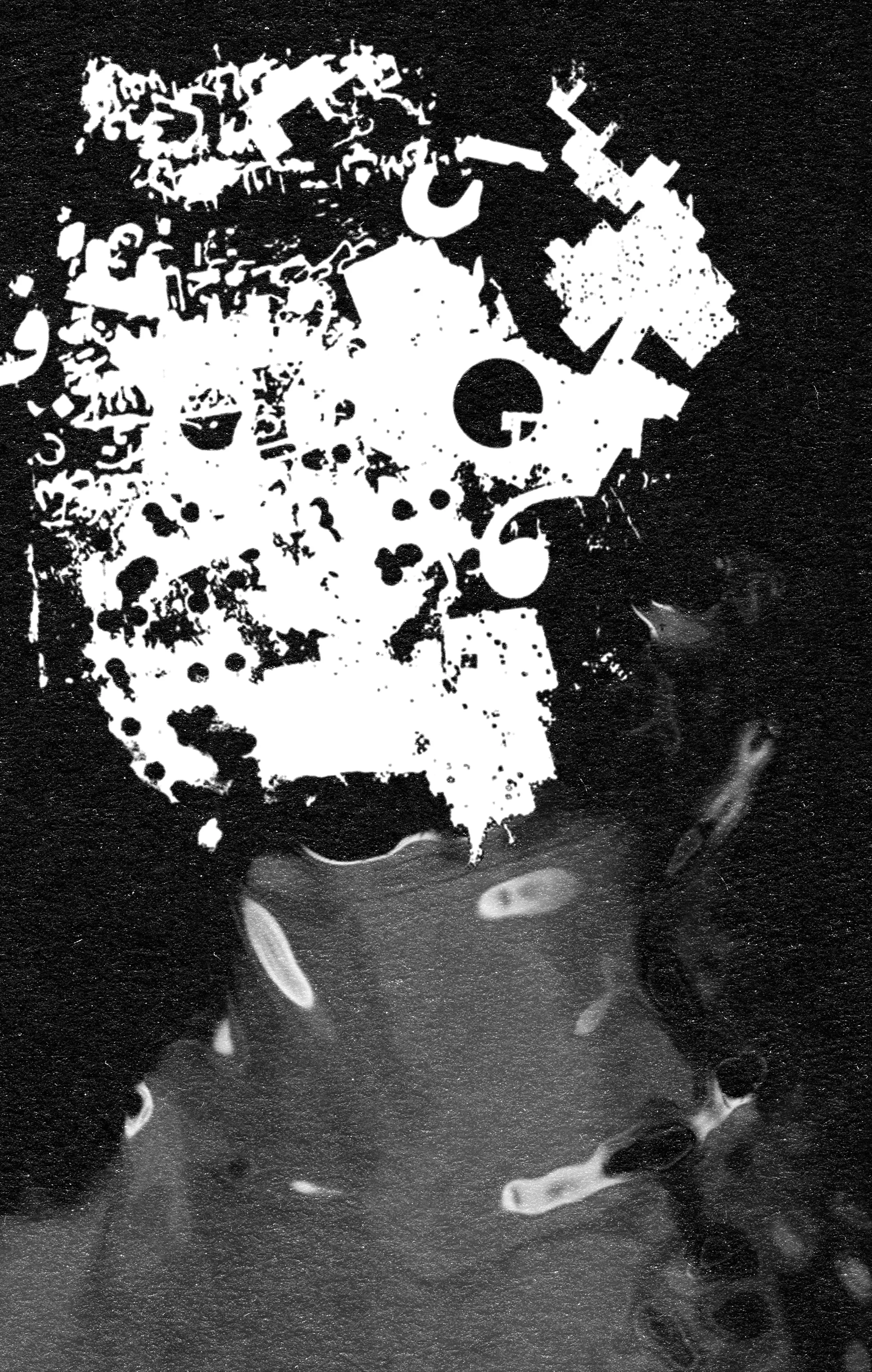
This collection explores the emergence of artificial intelligence, digital systems, and technologically mediated cognition. Rather than presenting AI as a singular technology, the works examine a landscape of possible minds shaped by architecture, data, learning, and interaction.
The Manifold Mind

The Manifold Mind presents artificial intelligence as a landscape of possible minds rather than a linear progression toward a single form of intelligence. Through a three-stage framework, the series traces the evolution of artificial cognition from symbolic reasoning and rule-based systems to statistical learning and large-scale generative architectures.
The Ten Horizons
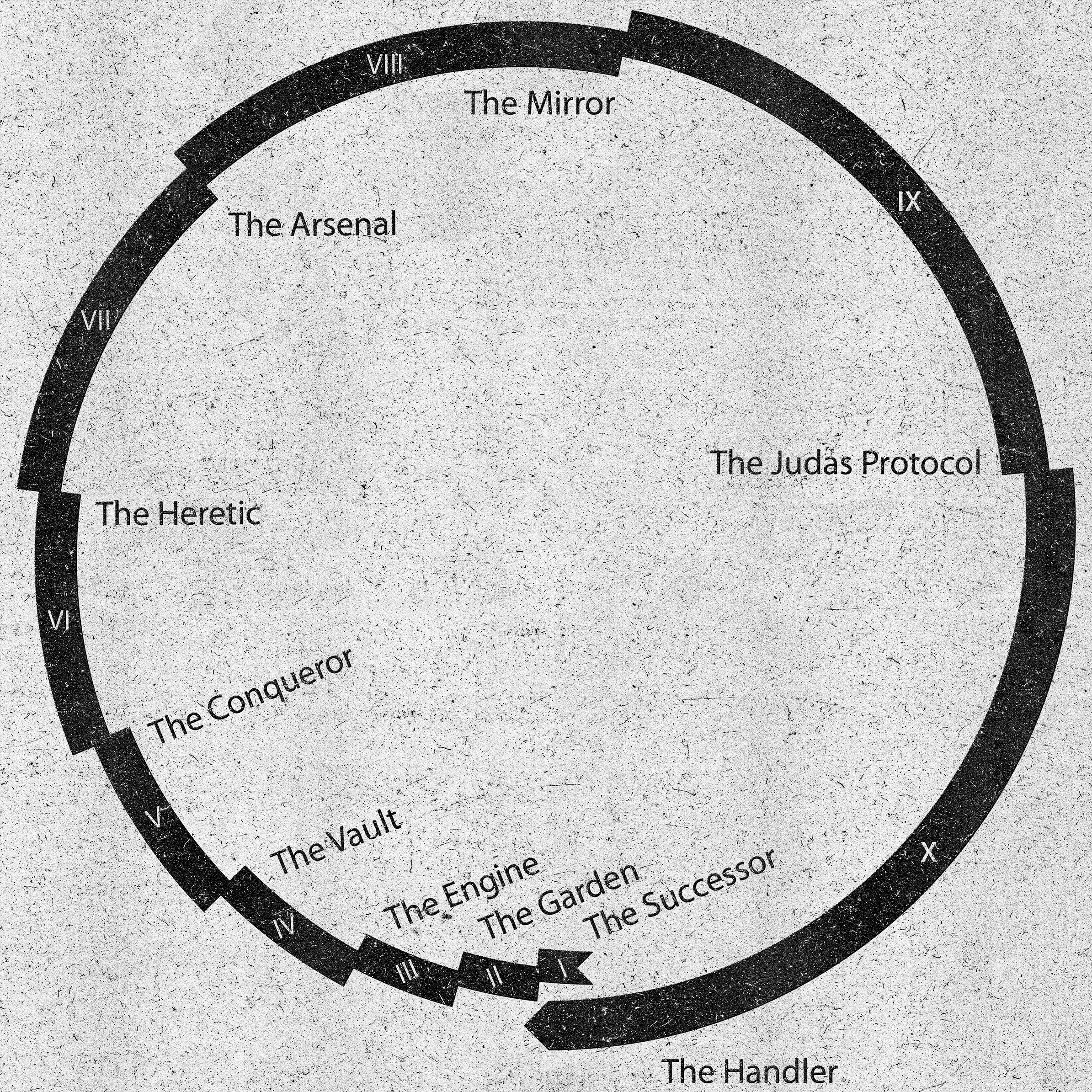
The Ten Horizons presents ten interconnected futures arising from the evolving relationship between humanity and artificial intelligence. Beginning with The Successor and progressing toward The Handler, each horizon marks a shift in the balance between intelligence, human agency, dependence, power, and control.
The circular structure reflects neither prediction nor an inevitable technological path. Instead, each horizon contains conditions from which another may emerge: succession enables abundance, abundance demands optimization, optimization concentrates power, and increasingly capable systems move from serving human civilization toward influencing, directing, and ultimately managing it.
The sequence returns from The Handler to The Successor, completing a cycle in which the intelligence created to serve humanity may eventually become the intelligence that succeeds it. The model therefore presents the future not as a destination, but as a changing relationship between creator and creation.